

The most significant shock the film industry has witnessed in 2025? The comeback of horror as a main player at the UK box office.
As a style, it has notably surpassed earlier periods with a 22% rise compared to last year for the UK and Ireland film earnings: £83.7 million in 2025, versus £68,612,395 in 2024.
“Previously, zero horror films made £10 million in the UK or Ireland. Currently, five have surpassed that mark,” comments a box office editor.
The top performers of the year – Weapons (£11.4 million), another hit film (£16.2 million), The Conjuring Last Rites (£14.98m) and 28 Years Later (£15.54 million) – have all stayed in the cinemas and in the audience's minds.
Even though much of the expert analysis focuses on the unique excellence of prominent auteurs, their achievements indicate something shifting between audiences and the category.
“I’ve heard people say, ‘Even if you don’t like horror this is a film you need to see,’” explains a head of acquisition.
“Such movies experiment with style and format to produce entirely fresh content, connecting with viewers on a new level.”
But apart from artistic merit, the steady demand of spooky films this year implies they are giving audiences something that’s much needed: therapeutic relief.
“Right now, there’s a lot of anger, fear and division that’s being reflected in cinema,” says a horror podcast host.
“Scary movies excel at tapping into viewers' fears, amplifying them, allowing you to set aside daily worries and concentrate on the on-screen terror,” says a noted author of classic monster stories.
Against a current events featuring war, border tensions, far-right movements, and environmental crises, supernatural beings and undead creatures resonate a bit differently with audiences.
“I read somewhere that the success of vampire movies is linked to economically depressed times,” states an star from a recent horror hit.
“This symbolizes the way modern economies can exhaust human spirit.”
Since the early days of cinema, social unrest has influenced the genre.
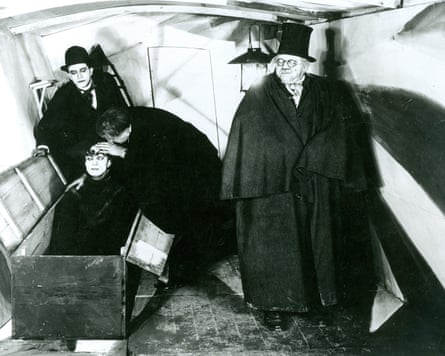
Experts highlight the rise of early cinematic styles after the WWI and the unstable environment of the 1920s Europe, with movies such as The Cabinet of Dr Caligari and Nosferatu: A Symphony of Horror.
This was followed by the 1930s depression and classic monster movies.
“Take Dracula: it depicts an Eastern European figure invading Britain, spreading a metaphorical infection that endangers local protagonists,” explains a historian.
“Thus, it mirrors widespread fears about migration.”
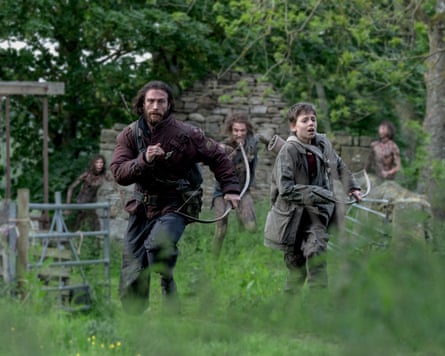
The boogeyman of border issues influenced the just-premiered rural fright The Severed Sun.
The creator explains: “I aimed to delve into populist rhetoric. Specifically, calls to restore a mythical past that favored a privileged few.”
“Additionally, the notion that acquaintances might unexpectedly voice extreme views, leaving others shocked.”
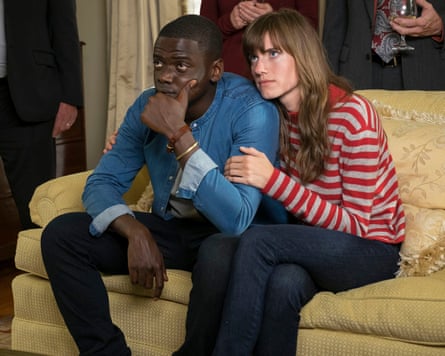
Maybe, the current era of celebrated, politically engaged fright cinema began with a sharp parody released a year after a polarizing administration.
It ushered in a recent surge of visionary directors, including several notable names.
“Those years were remarkably vibrant,” recalls a filmmaker whose film about a deadly unborn child was one of the period's key works.
“I think it was the beginning of an era when people were opening up to doing a really bonkers horror film which had arthouse aspirations.”
The director, currently developing another scary story, continues: “In the last ten years, public taste has evolved to welcome bolder horror concepts.”
At the same time, there has been a reappraisal of the genre’s less celebrated output.
Earlier this year, a new cinema opened in London, showing cult classics such as a quirky horror title, a classic adaptation and the modern reinterpretation of Dr Caligari.
The fresh acclaim of this “rough and rowdy” genre is, according to the cinema founder, a direct reaction to the formulaic productions produced at the theaters.
“It counters the polished content from big producers. The industry has become blander and more foreseeable. Numerous blockbusters share the same traits,” he explains.
“Conversely, [such movies] appear raw. As if they emerged straight from the artist's mind, untouched by studio control.”
Fright flicks continue to challenge the norm.
“They have this strange ability to seem old fashioned and up to the minute, both at the same time,” notes an authority.
Alongside the return of the deranged genius archetype – with multiple versions of a well-known story on the horizon – he predicts we will see horror films in the near future reacting to our modern concerns: about tech supremacy in the years ahead and “supernatural elements in political spheres”.
In the interim, a biblical fright story a forthcoming title – which depicts the events of Mary and Joseph’s struggles after the messiah's arrival, and features well-known actors as the holy parents – is planned for launch later this year, and will undoubtedly cause a stir through the religious conservatives in the America.</


